

Motor Preferences Coaches — sports athletes

Sports

We work across a wide range of sports combining deep specialist coaching experience with a broader global network of trusted experts — applying the same individualized principles to each sport's unique demands.

Book a Strategy Call ›
Select a sport
Softball
Selected ✓
Baseball
Learn more ›
Football
Learn more ›
Soccer
Learn more ›
Golf
Learn more ›
Cricket
Learn more ›
Softball athletes

Softball

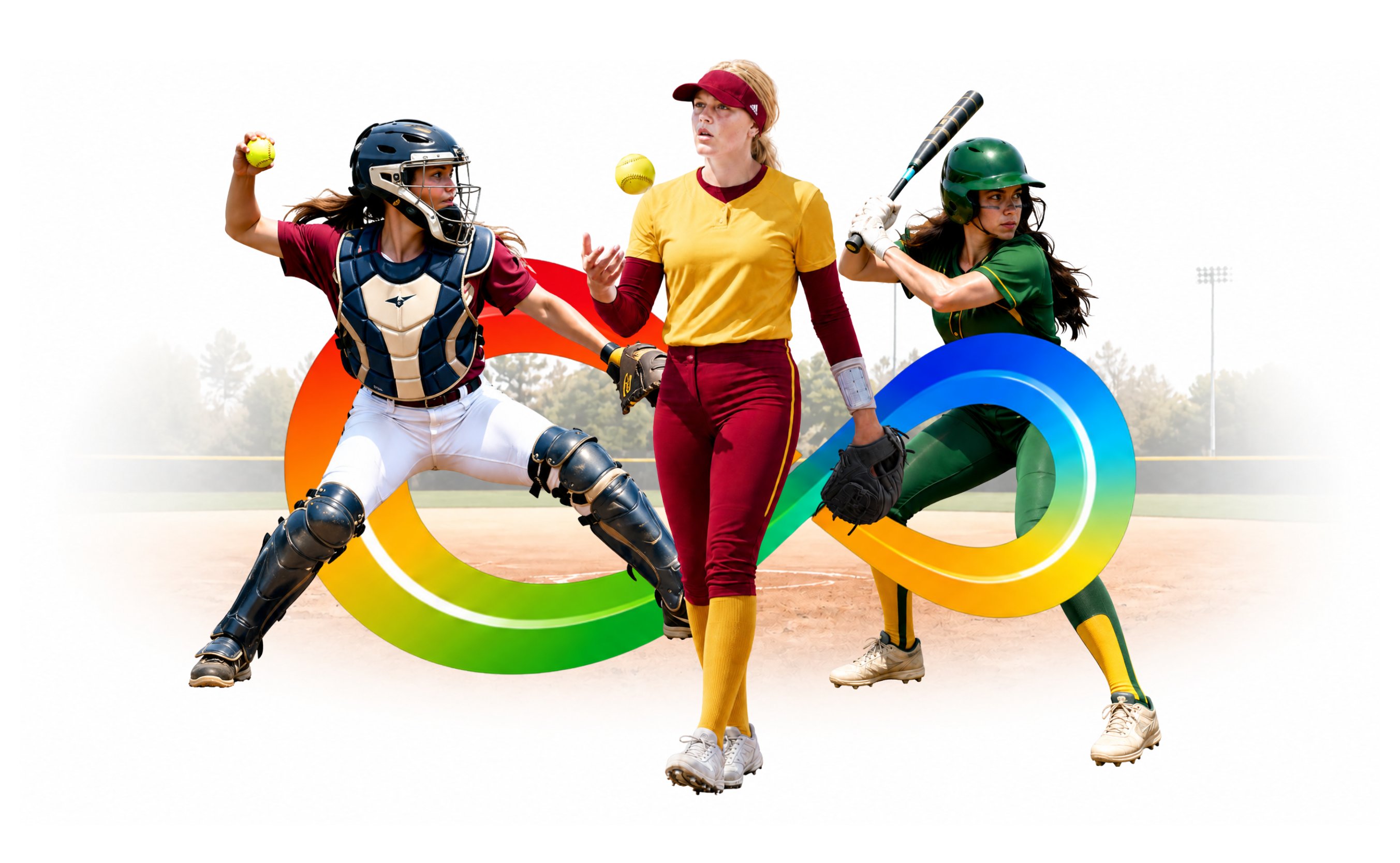
Every fastpitch athlete is unique — and so is the sport. Softball has become a game where more than ever milliseconds count. We help athletes unlock their individual performance signature and achieve consistency at the highest level.

Book a Strategy Call ›
  • Understand how each softball athlete receives, processes, and applies information in relation to timing, movement, and decision-making.
  • Match coaching language to the player so cues fit the individual rather than relying on one-size-fits-all instruction.
  • Identify how the athlete responds to visual, rhythm-based, tactical, or feel-based coaching so communication becomes more effective.
  • Simplify feedback in high-speed softball situations where reaction time, pitch recognition, and quick decisions matter.
  • Align communication across hitting, pitching, fielding, and baserunning so the athlete gets a consistent message throughout training and competition.
  • Help coaches recognize how confidence, pressure, current state, and game context influence how an athlete hears and uses instruction.
  • A hitter who struggles with overload gets one clear cue around timing or barrel delivery instead of several mechanical thoughts at once.
  • A pitcher receives communication that matches how she organizes rhythm, sequencing, and intent so command becomes more repeatable.
  • A catcher is coached with cues that support clean reads, transfer decisions, and game control without cluttering the moment.
  • A fielder who reacts best to feel and first-step rhythm is given simple prompts that improve reads and execution under speed.
  • A baserunner is coached with concise, actionable language around jumps, reads, and commitment so decisions become faster and more confident.
  • Coaches and athletes review at-bats, pitches, and defensive plays using language that helps the athlete understand what they saw, felt, and decided — not just what the coach observed.

Ready to explore this for your program?

Book a Strategy Call ›

Baseball athletes

Baseball

A movement-first coaching framework that connects how you move to how you perform. We help baseball athletes improve decision-making, execution, and consistency through personalized, strengths-based coaching.

Book a Strategy Call ›
  • Understand the athlete's performance signature and how they best receive, process, and apply coaching information.
  • Match cues, language, and feedback to the individual instead of relying on one message for the whole group.
  • Reduce over-coaching by identifying when the player needs feel, visuals, rhythm, intent, or a simple external cue.
  • Align communication across hitting, defense, baserunning, and competition so the athlete gets consistency from practice to game day.
  • Build trust and buy-in through cues that feel relevant, clear, and immediately usable.
  • Help coaches recognize how pressure, tempo, and current state affect how the athlete hears and responds to instruction.
  • A hitter who gets overloaded in the box receives one timing or intent cue instead of multiple mechanical corrections.
  • A pitcher who loses command under pressure uses a simple reset phrase and focus anchor between pitches.
  • An infielder who learns best through visual references is coached with reads, angles, and ball-flight cues rather than long verbal explanation.
  • A baserunner gets concise language around reads, jump timing, and decision-making that supports instinct instead of hesitation.
  • A catcher learns how to adjust communication with different pitchers so mound visits and game management actually support execution.
  • Coaches across the staff use the same athlete-specific language, reducing mixed messages and helping the player compete with more clarity.

Ready to explore this for your program?

Book a Strategy Call ›

Football athletes

Football

Our framework is applied to power production, blocking, and tackling efficiency — matching individual strengths across the line, optimizing routes, improving vision, and helping athletes access flow more consistently under pressure.

Book a Strategy Call ›
  • Understand the athlete's performance signature and how they best receive, process, and apply information at game speed.
  • Match cues, corrections, and communication style to the individual rather than coaching every position or player the same way.
  • Clarify how different athletes respond to tempo, pressure, physical contact, and rapidly changing decision demands.
  • Reduce overload by identifying when the athlete needs fewer words, a visual cue, a rhythm cue, or a more direct tactical prompt.
  • Align staff language across meetings, drills, walkthroughs, and competition so players hear consistent messages.
  • Build trust and faster buy-in through communication that fits how the athlete naturally sees, moves, and responds.
  • A quarterback gets one clear read or timing cue that sharpens decision-making instead of carrying multiple technical thoughts into the snap.
  • A receiver is coached with route language and visual references that fit how they best feel spacing, leverage, and timing.
  • A lineman who responds best to feel and body position gets compact, actionable coaching rather than long explanations.
  • A running back receives simple pre-snap and in-play prompts that support instinctive cuts, tempo changes, and evasive action.
  • A defender who gets overstimulated under pressure is given fewer, clearer responsibilities and sharper communication triggers.
  • Position coaches and coordinators use athlete-specific language consistently, so the player experiences reinforcement instead of mixed messages.

Ready to explore this for your program?

Book a Strategy Call ›

Soccer athletes

Soccer

Our framework helps players elevate ball striking, set plays, ball control and passing, vision strategies, motivation, and flow — so you can make better decisions, create more impact, and perform consistently when it matters most.

Book a Strategy Call ›
  • Understand how each player best receives information around vision, timing, rhythm, spacing, and decision-making.
  • Match coaching language to the individual so communication supports clarity, confidence, and faster execution in the flow of play.
  • Identify whether the player responds best to tactical language, visual references, simple external cues, or brief corrective feedback.
  • Reduce overload by simplifying communication before, during, and after key actions in training and matches.
  • Align language across technical work, tactical preparation, game management, and review so the player hears a consistent message.
  • Help coaches recognize how pressure, tempo, and current state influence how the player processes and applies instruction.
  • An attacker who overthinks in the final third receives cues or intent that moves away from getting stuck with multiple technical thoughts.
  • A midfielder who sees the game well is coached with scanning, spacing, and passing references that sharpen targets and angles.
  • A defender who performs best uses cues around body shape, distance, and timing in comparison to opposition strikers, leveraging preferences to their advantage.
  • A player who rushes under pressure uses a short reset cue that helps restore rhythm and composure before the next action.
  • Training conversations focus on what the player saw, felt, and chose in the moment, not just what the coach observed from the outside.
  • Communication on match day becomes shorter, calmer, and more specific, helping the player act with more trust, clarity, and consistency.

Ready to explore this for your program?

Book a Strategy Call ›

Golf athletes

Golf

The Performance Signature Framework helps golfers improve targeting, balance, preparation, mental clarity, swing plane, tempo, and putting — while deepening understanding of what drives you and helping you access flow more consistently under pressure.

Book a Strategy Call ›
  • Understand how each golfer best receives information around feel, visuals, tempo, rhythm, and intention.
  • Match coaching language to the player so communication supports confidence and clarity rather than adding swing thoughts.
  • Identify whether the golfer responds best to technical input, external targets, imagery, or simple cue-based direction.
  • Reduce overload by simplifying communication before, during, and after shots.
  • Align language across practice, preparation, course strategy, and performance review so the golfer hears a consistent message.
  • Help coaches recognize how pressure, pace of play, and current state affect how the golfer processes and applies instruction.
  • A golfer who gets overly analytical before a shot receives one clear target or tempo cue instead of multiple technical reminders.
  • A player who performs best through feel is coached with rhythm, balance, and motion language designed for them rather than positions and checkpoints.
  • A golfer struggling under pressure uses a simple pre-shot phrase and process that brings attention back to the task instead of the outcome.
  • A player who tends to rush is given a repeatable communication pattern around setup, breath, and commitment before each shot.
  • Practice conversations are built around what the golfer actually felt, saw, and intended, not just what the coach observed.
  • Posture and demeanour on the course becomes calmer through specific movements and approach, helping the golfer commit and perform with less hesitation.

Ready to explore this for your program?

Book a Strategy Call ›

Cricket athletes

Cricket

We apply our framework to every part of the game — from batting stance and triggers to vision preferences, between-ball routines, running between wickets, and catching techniques. When athletes can place themselves in their natural state they access flow more consistently under pressure.

Book a Strategy Call ›
  • Understand how each cricketer receives, processes, and applies information across batting, bowling, wicket keeping, vision, timing, and decision-making.
  • Match coaching language to the individual so cues fit the player rather than relying on one technical model for everyone.
  • Identify whether the athlete responds best to visual references, rhythm and timing cues, tactical prompts, or feel-based instruction.
  • Simplify feedback in a game where timing, perception, and decision-making shift constantly from ball to ball.
  • Align communication across batting, bowling, fielding, running between wickets, and competition routines so the athlete hears a consistent message.
  • Help coaches recognize how confidence, game situation, pressure, and current state influence how a player hears and uses instruction.
  • A batter who gets overloaded before the ball is bowled receives one clear cue around setup, trigger, or intent instead of multiple technical thoughts.
  • A bowler is coached with language that supports rhythm, action, and tactical execution rather than forcing positions that disrupt natural flow.
  • A wicket keeper gets simple, relevant cues around stance, anticipation, and decision-making so movement stays sharp and reactive.
  • A player running between wickets is coached with clearer language around judgment, commitment, and communication so decisions become quicker and more decisive.
  • Between-ball conversations focus on what the athlete saw, felt, and decided, not just what the coach observed from the outside.
  • Coaches and athletes use shared language across training and match play, helping players reset faster and compete with more clarity under pressure.

Ready to explore this for your program?

Book a Strategy Call ›